

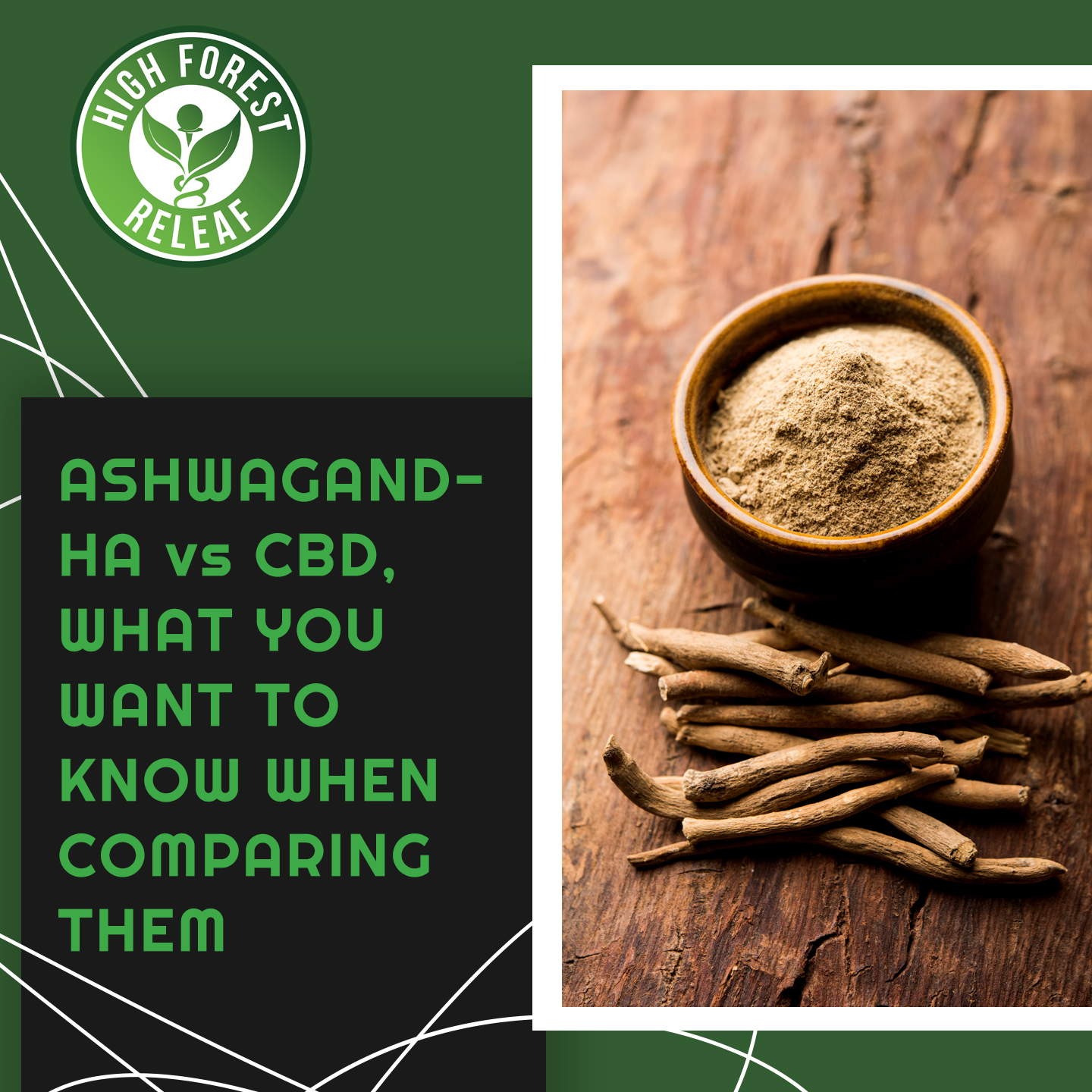
In a world teeming with wellness trends and natural remedies, two heavy hitters often in the spotlight are Ashwagandha and CBD (Cannabidiol). Both boast potential health benefits, but they’re about as different as night and day, coming from entirely separate sources and work in distinct ways. If you’re wondering which one might be the right fit for you, stick around because we’re diving deep into a comparison of Ashwagandha and CBD. We’ll explore their differences, the perks they offer, and how you can make a savvy choice.
First up, we have Ashwagandha, which goes by the scientific name Withania Somnifera. This herb has been a star in traditional Ayurvedic medicine for eons. It’s often hailed as an “adaptogen,” meaning it might help your body tackle stress and maintain its inner balance. Here’s a quick lowdown on Ashwagandha:
Stress and Anxiety: Ashwagandha is like a zen master when it comes to taming stress and anxiety. It might help keep those cortisol levels (the stress hormone) in check, especially when life throws curveballs your way.
Sleep: Many folks turn to Ashwagandha for a better night’s sleep. It’s known to calm the mind and reduce restlessness, paving the way for some quality shut-eye.
Physical Performance: Athletes and fitness buffs sometimes swear by Ashwagandha for a performance boost, including muscle strength.
Anti-Inflammatory: Thanks to its anti-inflammatory properties, Ashwagandha could be a game-changer for conditions like arthritis.
Immune Support: It’s believed to have your back when it comes to the immune system, helping you fend off illnesses like a champ.
Now, let’s meet CBD, the abbreviation for Cannabidiol. It’s a compound found in the Cannabis plant. Hold on, though – it’s not the same as its notorious cousin, THC (Tetrahydrocannabinol). CBD won’t send you on a trip; instead, it cozies up with the endocannabinoid system (ECS) in your body, which has a hand in managing various bodily processes. Here’s your lowdown on CBD:
Pain Relief: CBD is often in the spotlight for possible pain management, including chronic pain. It has the potential to work by tinkering with those endocannabinoid receptors responsible for pain signals.
Anxiety and Depression: Just like Ashwagandha, CBD has its eye on symptoms of anxiety and depression. It’s being studied for its potential in providing some much-needed relief.
Seizures: CBD hogged the limelight for its knack in reducing the frequency and intensity of seizures in certain types of epilepsy.
Neuroprotection: It’s believed to have the superpower of protecting your nervous system from harm.
Anti-Inflammatory: Like Ashwagandha, CBD also has anti-inflammatory superpowers that can be beneficial for a range of conditions.
But hold your horses; Ashwagandha and CBD, despite their overlapping benefits, have some standout differences:
Deciding between Ashwagandha and CBD hinges on your specific needs and preferences. It’s worth peeking at the legal status of CBD in your neck of the woods before making any decisions.
Your primary health goals are the compass that’ll guide you here. If you’re in search of stress relief and improved sleep, Ashwagandha could be your wingman. On the flip side, if you’re dealing with pain or epilepsy, CBD might just be your ticket to a smoother ride.
No matter which path you choose, always keep a healthcare professional in the loop, particularly if you’re grappling with underlying health issues or are juggling meds. They can serve up personalized and medically professional guidance to help you make the best choice.
Sometimes, the best way to make a decision about your health is through a bit of trial and observation. You could give one of these options a whirl for a few weeks, keep tabs on how you’re feeling, and then decide whether it’s the right fit for you. And remember, always seek your healthcare provider’s counsel before combining any supplements.
In the realm of natural remedies, both Ashwagandha and CBD hold promise for an array of health concerns. They share some common benefits but are distinct in terms of their sources, legal statuses, and modes of action. Your choice between the two should be a well-considered one, based on your specific health goals and individual circumstances.
For a deeper dive into how CBD could potentially brighten your day and some delightful ways to incorporate it into your routine, feel free to reach out to us at High Forest ReLeaf. Give us a call today at (931) 253-1991
