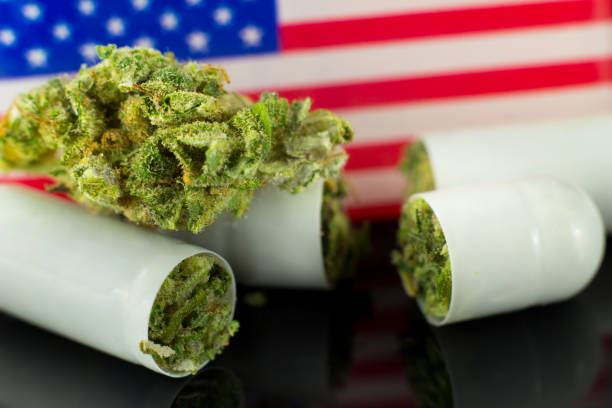
On 21st May 2024, the Drug Enforcement Administration (DEA) suggested cannabis rescheduling from Schedule I, which means “no accepted medical use,” to lower Schedule (III). This starts a 62-day public feedback period and aims to relax federal rules, potentially enhancing cannabis development.
The shift recognizes cannabis as having a moderate to low potential for physical and psychological dependence and having potential medical benefits. This could have a profound impact on the U.S. cannabis, banking, and pharmaceutical industries.
This concept isn’t new; a similar change occurred in 2018 when the DEA reclassified Epidiolex, an FDA-approved CBD drug, from Schedule I to Schedule V.
For now, let’s see how these rescheduling changes could alter the U.S. legal landscape and the long-term effects they might have on various sectors.
Understanding Cannabis Rescheduling Under the Controlled Substances Act
The Controlled Substances Act (CSA) handles all the divisions. It classifies substances into five schedules based on their
Likelihood of misuse
Recognized medical use
Safety when used under medical guidance
The extent of psychological or physical dependence that may arise from misuse.
The drug’s actual or comparative possibility for misuse
Existing scientific data on its pharmacological effects, if available
The present state of scientific knowledge about the drug or substance
Its past and present patterns of abuse
The scope, length, and importance of abuse
Any risks to public health
It’s the potential for psychological or physical dependency
Whether it is a direct precursor to an already controlled substance
The Notice of Proposed Rulemaking (NPRM) outlines the HHS’s evaluation of these elements. It finds that Cannabis Sativa has a lower potential for misuse than substances in Schedules I (like peyote and heroin) and II (such as hydrocodone and fentanyl). It has also recognized medical uses and its abuse might result in moderate or low bodily dependence or high neural dependence.
How Long Does It Take for Cannabis Rescheduling?
The process of rescheduling cannabis involves multiple steps and can vary in duration. Here is a general overview of the timeline:
Proposal and Review: After the Drug Enforcement Administration (DEA) proposes rescheduling, the Office of Management and Budget (OMB) reviews the proposal. This review can take up to 90 days, though it may be expedited under certain circumstances.
Public Comment Period: Following the proposal’s publication in the Federal Register, there is a public comment period ranging from 30 to 90 days. This period allows the public to provide feedback on the proposed rule.
Administrative Hearings and Challenges: During or after the public comment period, the suggested rescheduling may be subject to administrative hearings or legal challenges. These proceedings can significantly extend the timeline.
DEA Review and Final Rule: The DEA must review all comments and address any challenges before finalizing the rule. There is no specific timeframe for this review process.
Implementation Delay: Once the final rule is published, it typically takes 30 days to become effective.
Overall, an expedited process might take around 200 days, but it could extend to several years, depending on the complexity of the reviews, hearings, and potential legal challenges.
Implications of Rescheduling Cannabis
The proposed shift in cannabis scheduling from Schedule I to Schedule III could bring about significant changes across various sectors. Here’s how this adjustment might impact different areas
1. Implications for Research and Development
Potential Benefits for Scientific Research:
Cannabis rescheduling from Schedule I to Schedule III could remove some barriers to the national budget for cannabis research.
More extensive clinical studies could be conducted, providing a better scientific understanding of marijuana’s medical benefits and risks.
Opportunities for Medical and Pharmaceutical Advancements:
This shift could lead to the development of new, FDA-approved cannabis-based medications that meet rigorous safety and efficacy standards.
2. Impact on the Cannabis Industry
Expected Changes in the Cannabis Market:
Easing federal restrictions could lead to expansion in the cannabis industry, with new business opportunities emerging.
Companies in the cannabis sector might find it more comfortable to get funding for research development.
There could be increased investment in cannabis-related ventures, boosting industry growth.
3. Effect on Pharmaceutical Industry
Integration of Cannabis-Derived Products in Pharmaceuticals:
The rescheduling could facilitate the integration of cannabis-derived products into mainstream pharmaceuticals.
The FDA would oversee the approval of these products, ensuring they meet high safety and efficacy standards before being introduced to the market.
4. Influence on Banking and Financial Services
Changes in Banking Regulations for Cannabis Businesses:
Rescheduling cannabis could reduce legal risks for banks offering financial services to cannabis-related businesses (CRBs)
The new classification might encourage federal agencies to issue updated guidelines, clarifying legal compliance and risk management for banks.
Access to Financial Services and Investment:
Cannabis businesses could drive out from cash-only operations, gaining better access to loans and other financial services.
The proposed changes might make it easier for cannabis stakeholders to secure investments and improve their financial stability.
5. Legal and Regulatory Considerations
Analysis of How Rescheduling Affects Federal and State Laws:
The rescheduling would not make marijuana decriminalized or permit recreational use; criminal prohibitions would still apply.
The level of marijuana under state laws, such as those for medical and recreational use, would remain unchanged.
Shop Premium CBD Products at High Forest Releaf
Cannabis rescheduling can enhance access to high-quality cannabis products. At High Forest Releaf, we believe in the positive impact of well-regulated cannabis on health. While the exact timing of rescheduling remains uncertain, our CBD products are already providing potential benefits for conditions like anxiety, depression, and insomnia.
For more information, call us at (931) 253-1991 or visit our website to discover how our products can support your well-being. Shop with us to experience quality and care in every product.
FAQs
What does cannabis rescheduling mean?
Cannabis rescheduling refers to changing its classification under the Controlled Substances Act. Currently, rescheduling is a Schedule I substance that would acknowledge its medical uses and potentially reduce legal restrictions.
What does descheduling a drug mean?
Descheduling a drug removes it from the controlled substances list, reducing legal restrictions and regulatory oversight.
How does rescheduling cannabis impact its legal status?
Rescheduling cannabis to a lower controlled substance category reduces its regulatory restrictions, potentially increasing legal access and facilitating more research and medical use.